SmartBox: Moving Bed Bio Reactor (MBBR) System
Treatment SystemsA gravity-fed FRP/SMC MBBR plant scaling from 5 to 100 m³/day, built for a 30-50 year service life above or below ground.
Enquire about this product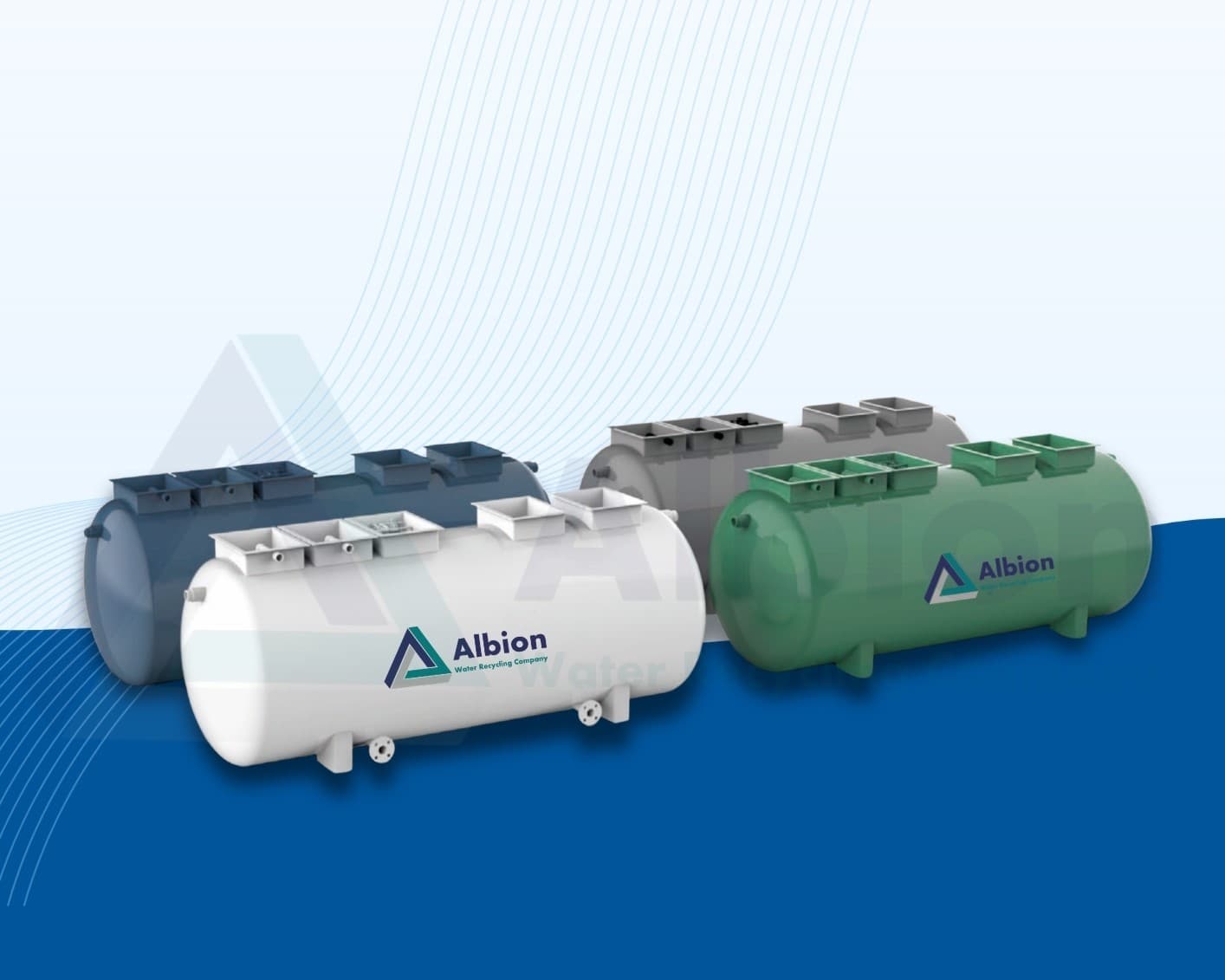
Specifications
- Technology
- Moving Bed Bio Reactor (MBBR), gravity-fed
- Processing Capacity
- FRP 5-100 m³/day (models SB20 to SB100)
- Construction
- High-strength FRP/SMC, ground-mounted or optional underground deep burial
- Weight Range
- 3.0-9.0 tonnes across the SB20-SB100 range
- Installed Power Range
- 0.75-2.44 kW across the SB20-SB100 range
- Operating Power
- 0.72-1.74 kWh/m³ depending on model
- Effluent Quality (reference)
- COD 20.53 mg/l, BOD5 9.72 mg/l, SS 6.84 mg/l, NH4-N 2.74 mg/l, TP 0.83 mg/l
- Spare Parts
- Submersible pump and fan, same device configuration model
Features
Gravity-Fed Operation
No internal lifting pumps are required, which cuts mechanical failure points and power draw.
Load Resilience
Advanced water-level regulation absorbs sudden spikes in sewage volume without upsetting treatment.
High-Strength Construction
FRP/SMC tank construction is rated for a 30-50 year service life.
Easy Maintenance
Large access ports on each chamber simplify inspection and cleaning.
Advanced Filtration
Higher nitrogen and phosphorus removal than standard MBBR models.
Outcomes
Automatic Operation
Runs unattended with automated process control and low-noise operation.
Low Cost Operation
Gravity feed and automation reduce power draw and day-to-day operating cost.
Flexible Installation
Can be constructed above or below ground, and processes and structures can be customized to site water quality.
Strong Effluent Quality
Reference performance shows COD removal above 93% and TP removal up to 86%.
About SmartBox
SmartBox scales the same moving bed bio reactor process up to a larger, gravity-fed treatment plant, sized from 5 to 100 m³ per day. Sewage flows through the unit by gravity, so no internal lifting pumps are needed, and water-level regulation lets the plant absorb sudden spikes in flow without disrupting treatment. Built in high-strength FRP/SMC, the plant can be ground-mounted or buried, and its process and structure can be customized to the water quality of a given site.
Applications
- Eco-Sensitive Zones - sites requiring strict nitrogen/phosphorus removal near water bodies.
- High-Volume Homes - large residences with varying water usage.
- Remote Public Sites - highway services, rural schools and tourist toilets.
- Commercial Facilities - small hotels, B&Bs and offices lacking sewer access.
- Water Reuse Projects - on-site recycling for irrigation, greening or flushing toilets.

Treated Water Reuse
- Landscape irrigation for gardens and lawns.
- Cleaning cars, floors and outdoor equipment.
- Sanitary uses like non-potable toilet flushing.
- Agriculture for small-scale crop irrigation.
- Environmental restoration through safe discharge into water bodies.
Process Flow
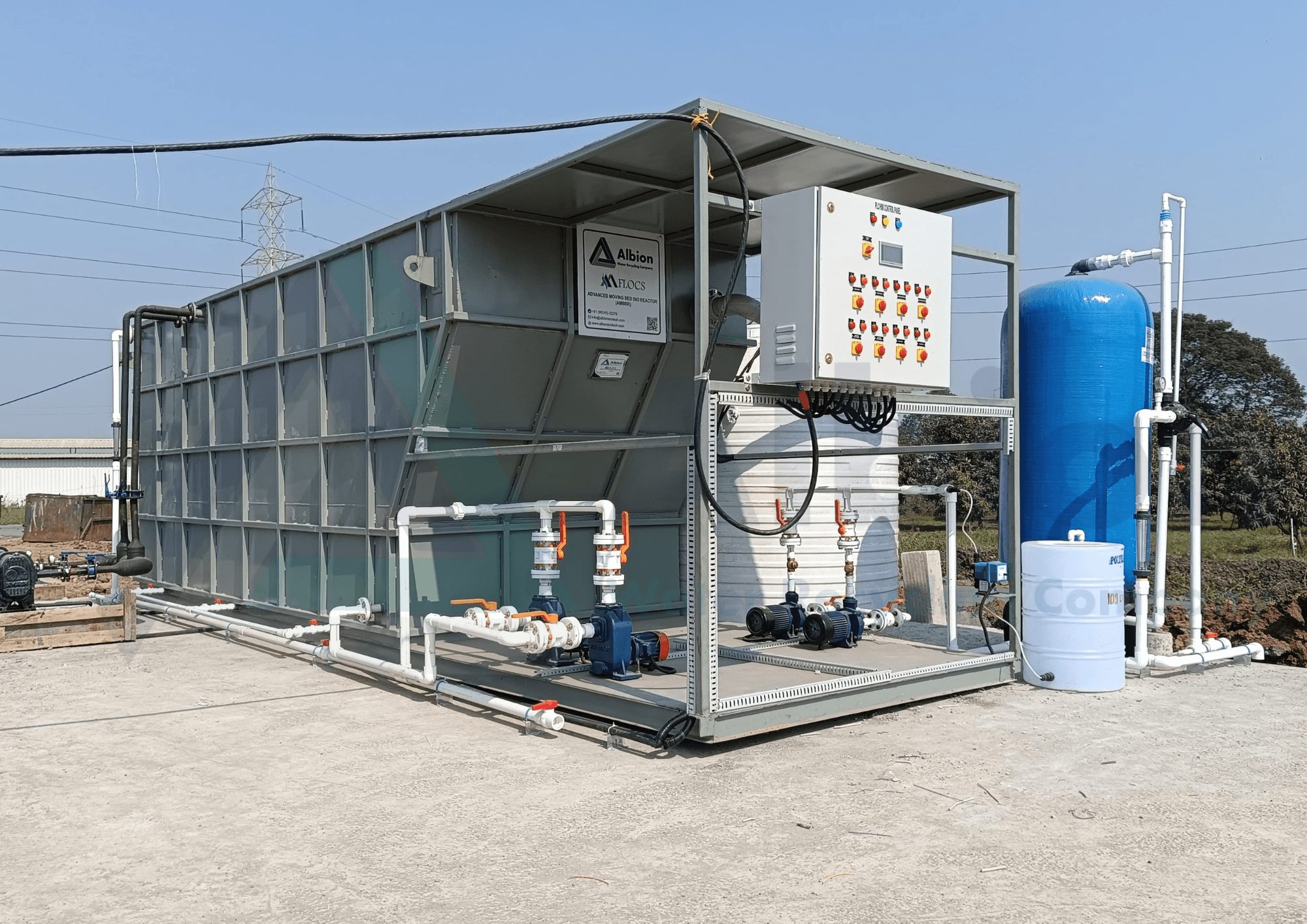
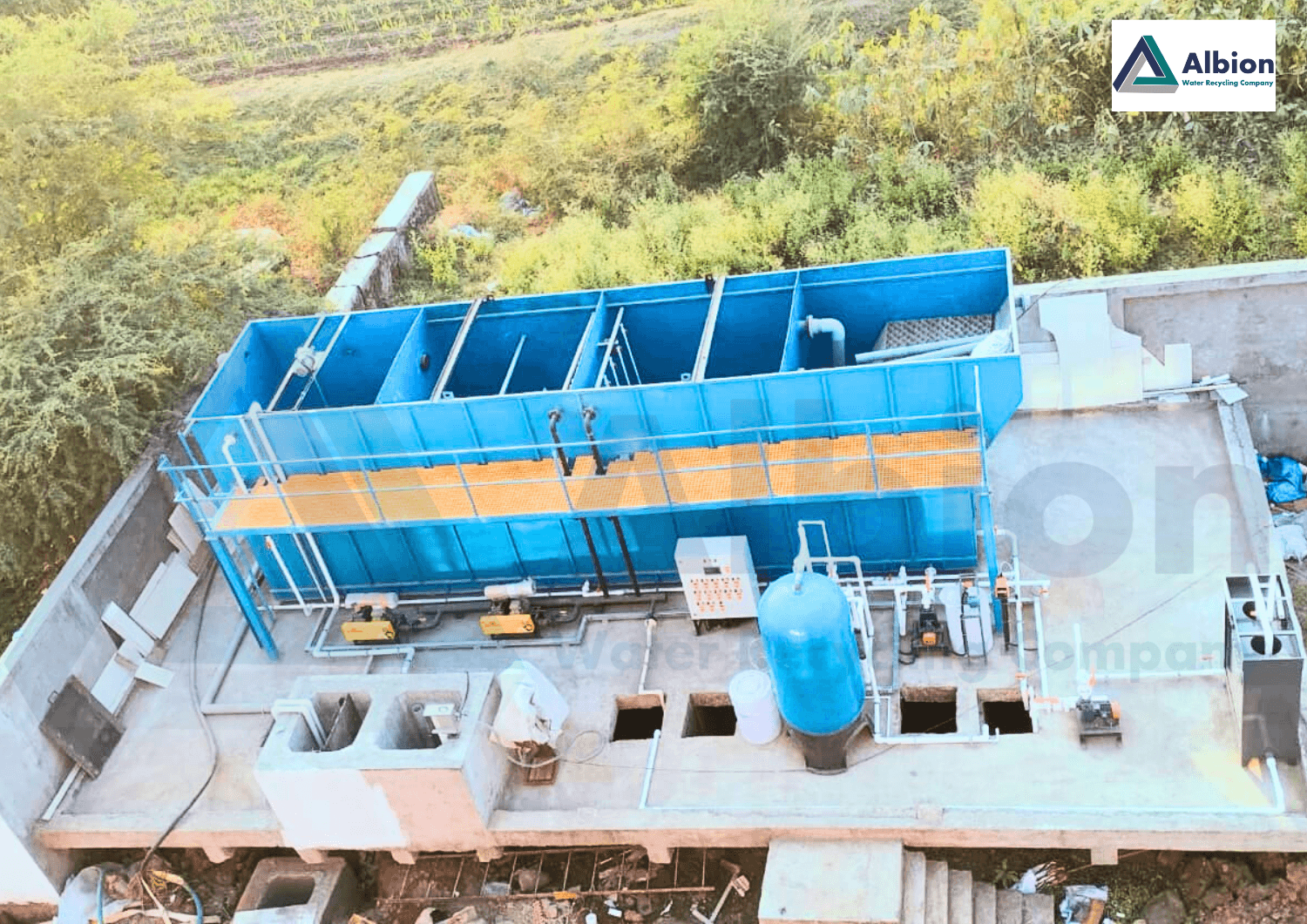
Wastewater enters SmartBox from a client-scope equalization tank that buffers incoming flow before it reaches the unit. From there it passes through five internal compartments in a single vessel, with a blower supplying air to the biological stages and two dosing tanks feeding the final disinfection step.

- Anoxic Tank - a submersible lifting pump moves inlet flow through this first compartment, where anoxic conditions begin conditioning the wastewater.
- IFAS Tank - an Integrated Fixed-Film Activated Sludge stage where bacteria grow on floating media, aerated by the blower through a dedicated valve line.
- CAS Tank - a Conventional Activated Sludge stage with diffused aeration from the blower, carrying most of the remaining organic load reduction.
- Sedimentation Tank - inclined plate settlers separate biomass from the treated stream, with its own aeration line from the blower.
- Disinfection Tank - clarified water is dosed from the NaClO (sodium hypochlorite) tank and PAC (poly aluminium chloride) tank before leaving through the outlet as effluent.
All five compartments sit inside one horizontal vessel, so wastewater moves through anoxic, biological (IFAS and CAS), settling and disinfection stages without separate tankage or interconnecting pipework between stages.
| Model | Capacity (m³/d) | Size (m) | Weight (t) | Installed Power (kW) | Operating Power (kWh/m³) |
|---|---|---|---|---|---|
| SB20 | 20 | Φ2.2 x 5.3 | 3.0 | 0.75 | 1.74 |
| SB30 | 30 | Φ2.2 x 8 | 3.5 | 0.97 | 1.17 |
| SB40 | 40 | Φ2.2 x 10 | 4.0 | 1.984 | 0.89 |
| SB50 | 50 | Φ2.2 x 11.5 | 4.5 | 1.984 | 0.72 |
| SB60 | 60 | Φ2.2 x 8 x 2 | 7 | 1.91 | 1.17 |
| SB80 | 80 | Φ2.2 x 10 x 2 | 8 | 1.91 | 0.89 |
| SB100 | 100 | Φ2.2 x 11.5 x 2 | 9 | 2.44 | 0.72 |
| Parameter | Inlet | Effluent Quality | Purification Efficiency | Reference Range |
|---|---|---|---|---|
| COD | 100 mg/l | 20.53 mg/l | 93.16% | 85%-98% |
| BOD5 | 20 mg/l | 9.72 mg/l | 95.14% | 85%-98% |
| SS | 20 mg/l | 6.84 mg/l | 97.15% | 85%-99% |
| NH4-N | 8 mg/l | 2.74 mg/l | 90.87% | 85%-95% |
| TP | 1 mg/l | 0.83 mg/l | 86.17% | 60%-85% |
SmartBox - Frequently Asked Questions
Related
Discuss your project
Tell us about your effluent characteristics and treatment targets, and our engineers will recommend the right configuration.
Start a project enquiry